CAR
OVERHEATING?
If your temperature gauge is in the red or you see steam coming from under the hood, here's exactly what to do, step by step. This guide will help you figure out what's wrong and whether you need a tow or can safely drive to a shop. Not sure what your dashboard warning lights mean? We have a guide for that too.
WHAT TO DO RIGHT NOW
Your engine is overheating. Follow these steps in order.
Get off the road as soon as it's safe. A parking lot or wide shoulder works. Don't block traffic, but don't keep driving either.
This sounds backwards, but your heater core pulls heat away from the engine. Crank it to max heat, max fan. It might drop the temp gauge a few degrees.
The cooling system is pressurized and can be over 100°C. Wait at least 20 minutes for the engine to cool. Opening the radiator cap on a hot engine can cause severe burns.
Once the engine has cooled, check the coolant overflow tank. If it's empty, that's almost certainly your problem. Do not open the radiator cap if it's still warm.
Steam from under the hood means the coolant is boiling over. Smoke (especially sweet-smelling) means coolant is burning off on hot engine parts. Either way, keep your distance.
COMMON CAUSES
The most common cause. Look for green, orange, or pink fluid under the car. Even a slow leak can drain the system over weeks.
The thermostat regulates coolant flow. When it gets stuck closed, hot coolant can't reach the radiator to cool down. Usually a cheap fix, $150-$300 at a shop.
The water pump circulates coolant through the engine. If the impeller breaks or the bearing seizes, coolant stops flowing. You'll need a tow for this one.
Your radiator fan pulls air through the radiator at low speeds and idle. If it fails, the car overheats in stop-and-go traffic but may be fine on the highway.
The serious one. Signs: white smoke from the exhaust, milky residue on the oil cap, bubbles in the coolant reservoir. This is a $1,500-$3,000+ repair.
On 30°C+ days, older vehicles with marginal cooling systems can't keep up, especially in Saskatoon traffic on 8th Street or Circle Drive.
CAN I DRIVE TO A SHOP, OR DO I NEED A TOW?
Find your situation below. If you need a flatbed or wheel-lift tow, we can explain the difference.
DRIVE WITH CAUTION Drive cautiously to the nearest shop. Keep the heater on, watch the gauge closely, and stay off the highway. If it climbs again, pull over immediately.
DO NOT DRIVE: CALL A TOW Do not drive. Running an engine with no coolant, even for a few minutes, can warp the cylinder head or crack the engine block.
DO NOT DRIVE: CALL A TOW Do not drive. Something is actively boiling or burning. The engine needs to be inspected before it's safe to run.
DO NOT DRIVE: CALL A TOW Stop immediately and call a tow. The underlying problem isn't resolved, and continuing to drive is risking catastrophic engine damage.
DO NOT DRIVE: CALL A TOW Do not drive. A burning smell often means coolant or oil is hitting hot engine components. This needs professional diagnosis.
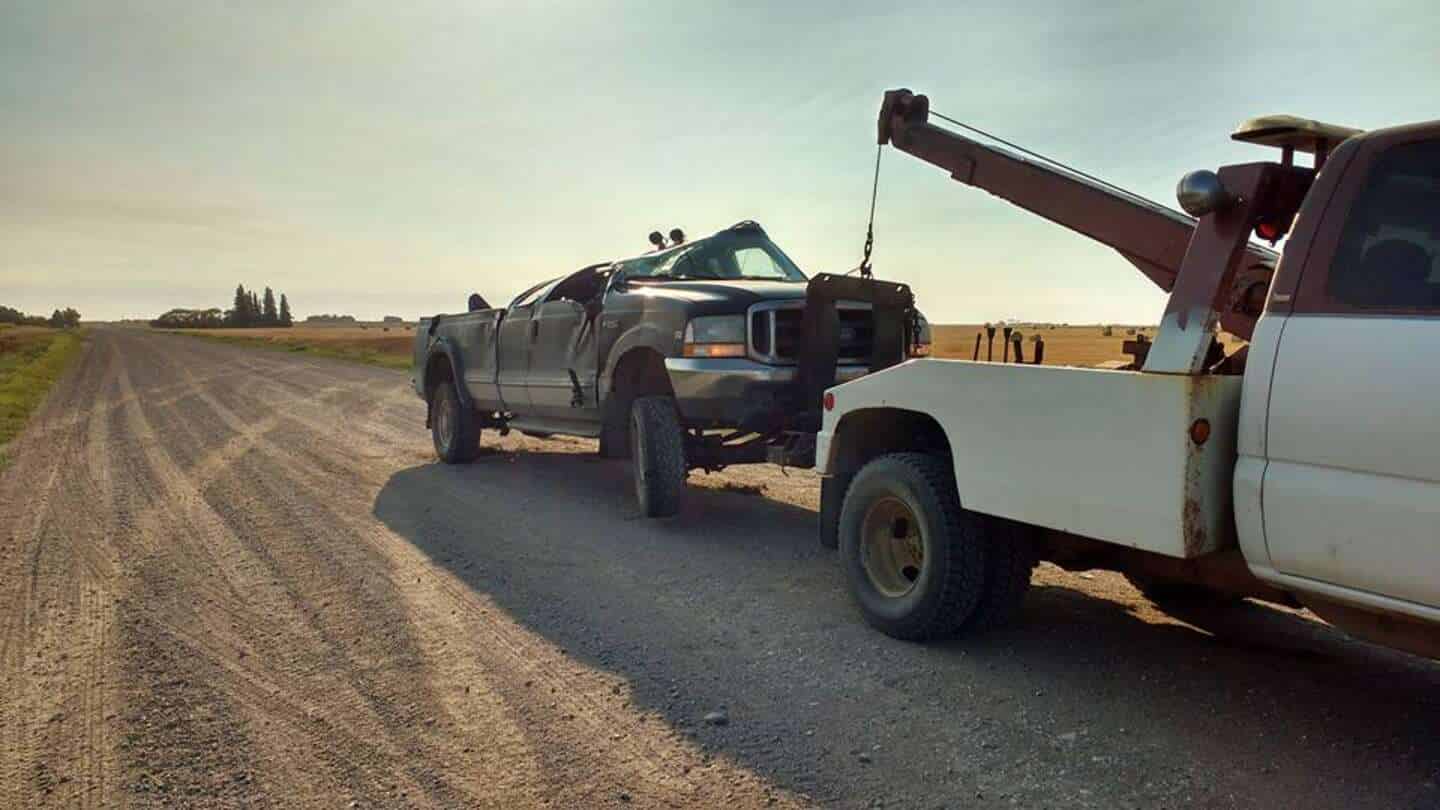
When in doubt, get a tow. Driving an overheating car can crack the engine block, and that's a $3,000-$8,000 repair vs a $150 tow. If you're broken down on Highway 11 or Highway 16, we cover those routes daily.
PREVENTING OVERHEATING
Most overheating problems are preventable with basic maintenance.
Check your coolant level monthly. It takes 30 seconds with the hood open
Flush and replace coolant every 3-5 years (or per your owner's manual)
Inspect belts and hoses for cracks, swelling, or soft spots when you get an oil change
Watch your temperature gauge in summer, and if it starts creeping up, don't ignore it
If your car has been running hot, get the cooling system pressure-tested before summer
OVERHEATING FAQ
DON'T RISK YOUR ENGINE
If your car is overheating and you're not sure whether it's safe to drive, call us. We're available 24/7 across Saskatoon, Blaine Lake, and everywhere in between. A tow is always cheaper than a new engine.